
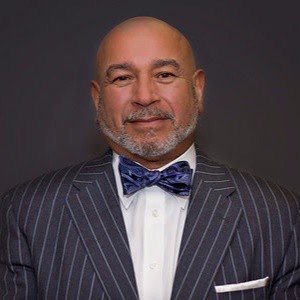
Name: Pedro J. Perez
Leadership Charlotte (LC) Class: 40
Title/Company: MPA – Author / Chief Executive Consultant – DIASPRA / Interim Executive Director – Armstrong McQuire
Hometown: Charlotte, North Carolina
Education: Master’s Degree in Public Administration – Marist College
Current personal or leadership goals: As a member of Mecklenburg Criminal Justice Advisory Group’s Community Engagement Task Group (CETG) and co-chair of the Youth Leadership Board and the criminal justice leaders’ outreach team, my goal is to serve as a liaison between the people of Mecklenburg County and the criminal justice system. I also share the goal of improving the relationship between Charlotteans and county government, creating a more equitable system, and enhancing the quality of life for the citizens of this county and city. The CETG and I are engaging the community to identify gaps and potential policy changes to make the Mecklenburg County criminal justice system more equitable. We provide recommendations to the Criminal Justice Advisory Group (CJAG) on specific topics identified by Mecklenburg County’s people.
What advice would you give to current Leadership Charlotte participants? Participants in the LC program should actively engage with an open heart and mind to develop and enhance their leadership. They will grow their leadership skills by participating in community volunteer opportunities during and after their LC training session. The LC training program gives them a ‘back-stage’ view of its key institutions, neighborhoods, and the people of Charlotte/Mecklenburg. The LC program plays a crucial role in helping its participants increase their community knowledge, civic networks, and service to the community. The program fosters a sense of community and understanding by embracing a diverse group of emerging and existing leaders. Leadership Charlotte will help their participants to embrace our diverse community.
What’s a lesson that you learned through LC that has stuck with you and why? My determination to be a servant leader. As a member of Mecklenburg Criminal Justice Advisory Group’s Community Engagement Task Group (CETG) and co-chair of the Youth Leadership Board and the criminal justice leaders’ outreach team, my goal is to serve as a liaison between the people of Mecklenburg County and the criminal justice system. I share the common goal of improving county-citizen relationships, creating a more equitable system, and enhancing the quality of life of community members. The CETG and I are engaging the community to identify gaps and potential policy changes to make the Mecklenburg County criminal justice system more equitable. We provide recommendations to the Criminal Justice Advisory Group (CJAG) on specific topics identified by Mecklenburg County’s people.
What would you like to see Leadership Charlotte alumni get involved in and why? Participants in the LC program should actively engage with an open heart and mind to develop and enhance their leadership. They will grow their leadership skills by participating in community volunteer opportunities during and after their LC training session. The LC training program gives them a ‘back-stage’ view of its key institutions, neighborhoods, and the people of Charlotte/Mecklenburg. The LC program plays a crucial role in helping its participants increase their community knowledge, civic networks, and service to the community. The program fosters a sense of community and understanding by embracing a diverse group of emerging and existing leaders. Leadership Charlotte will help their participants to embrace our diverse community. (Check Out: https://ui.charlotte.edu/story/heree28099s-what-charlotte-really-really-needs-its-2040-plan/)
Favorite way to spend a weekend in Charlotte: Listening and dancing to salsa, jazz, and eating good food.
Favorite nonprofit or community organization in Charlotte and why: As a person with the lived experience of being unhoused, Charlotte Family Housing is mine because they work to empower working families experiencing homelessness to achieve life-long self-sufficiency through shelter, housing, supportive services, and advocacy.